Comic Fast Motion Effect Cloud: Capturing Energy in Design
When you need to convey a sudden burst of speed, a frantic rush, or a comedic zoom in your creative work, static text often falls short. This is where the Comic Fast Motion Effect Cloud steps in. It is not just a piece of clip art; it is a visual language understood instantly by audiences of all ages. Whether you are working on a children's book, a retro-style game interface, or dynamic social media content, these speed lines and cloud bursts are essential design assets. They bridge the gap between motion and stillness, adding a layer of personality that static images simply cannot achieve.
Understanding the Visual Language of Speed
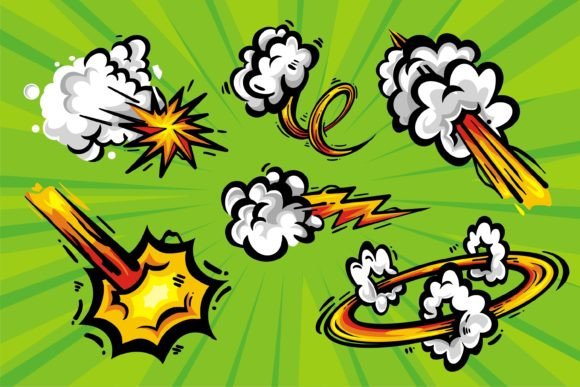
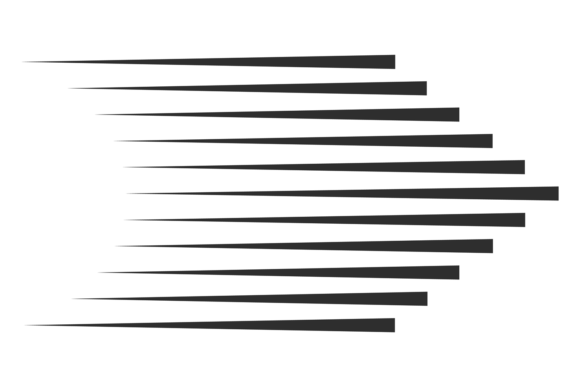
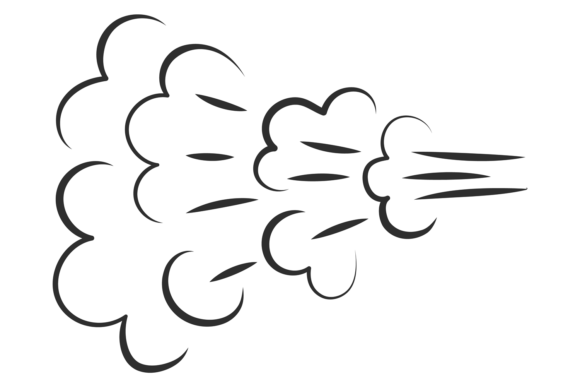
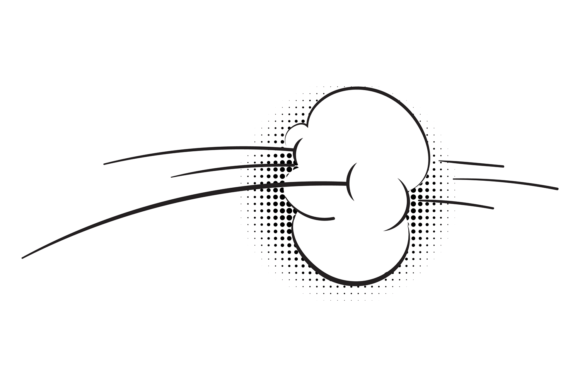
At its core, the Comic Fast Motion Effect Cloud is a stylized representation of kinetic energy. Visually, it typically features sharp, elongated lines radiating from a central point or trailing behind an object, combined with a cloud-like "puff" or burst. This design mimics the visual blur we perceive when an object moves faster than our eyes can track. In the context of Cartoon and Comic art, this effect is exaggerated to create a sense of humor, urgency, or high energy. The "cloud" aspect often looks like smoke or dust being kicked up, grounding the movement in a physical reality despite the stylized nature of the art.
The appeal of this graphic element lies in its versatility. It can be aggressive and sharp for an action sequence, or round and soft for a funny skit. When isolated on a white background, as is common with EPS, JPG, SVG, and transparent PNG files, the effect becomes a modular component. You can drop it onto any background color, texture, or photograph without worrying about awkward white boxes surrounding the graphic. This isolation is crucial for professional packaging design and web design, where seamless integration is key.
Practical Applications Across Industries
For designers and entrepreneurs, the utility of the Comic Fast Motion Effect Cloud extends far beyond traditional comic strips. It has found a permanent home in modern branding and marketing materials. Here is how different professionals are leveraging these assets:
- Logo Design and Brand Identity: Brands targeting a younger demographic or those in the sports and fitness industry often incorporate motion graphics into their brand identity. A subtle speed cloud can turn a static wordmark into a dynamic logo that suggests progress and forward-thinking.
- Social Media Graphics: In the fast-scrolling environment of Instagram or TikTok, you have milliseconds to grab attention. Adding a cartoon speed cloud to a product launch post or a "limited time offer" banner creates immediate visual noise that stops the scroll. It adds a playful, urgent tone that text alone cannot convey.
- Editorial and Publishing Design: Editorial design for magazines, particularly those focusing on pop culture, gaming, or youth trends, uses these effects to break up text-heavy pages. They serve as visual punctuation marks, guiding the reader's eye and adding rhythm to the layout.
- Packaging Design: On shelf, packaging needs to communicate benefits quickly. A speed effect on a box of sneakers or a new tech gadget implies performance and efficiency. It is a visual shortcut to telling the customer, "This product is fast and effective."
Technical Considerations and File Formats
When sourcing a Comic Fast Motion Effect Cloud. Cartoon asset, the file format dictates how you can use it. Understanding the difference between EPS, JPG, SVG, and transparent PNG is vital for maintaining quality across different mediums.
The transparent PNG is the workhorse for most digital creators. It supports transparency, meaning the speed lines will blend perfectly over your background without any editing. However, it is raster-based, meaning if you scale it up too much, it will pixelate. This is fine for social media graphics but less ideal for large-scale printing.
For packaging or large format printing, EPS or SVG files are superior. These are vector formats, meaning the artwork is defined by mathematical equations rather than pixels. You can scale a vector speed cloud to the size of a billboard, and the lines will remain razor-sharp. The JPG format is useful for quick mockups or web use where file size is a concern, but keep in mind it does not support transparency and usually includes a white background.
Integrating Effects with Typography
A common challenge in design is balancing graphic elements with text. When using a Comic Fast Motion Effect Cloud, you must ensure it does not compete with your typeface. If you are using a bold, heavy display font, the speed lines need to be thick enough to be visible but not so thick that they muddy the composition.
Consider the hierarchy. If the speed cloud is the main attraction, your text might need to be a cleaner sans serif font to provide contrast. Conversely, if you are working with a handwritten font or a script font, the organic curves of the speed cloud can complement the fluidity of the lettering. The goal is visual hierarchy—the eye should know exactly where to look first. Usually, the motion effect points the way to the most important information, such as a headline or a Call to Action (CTA).
Selecting the Right Asset for Your Project
Not all speed effects are created equal. When evaluating a premium font or graphic pack that includes motion elements, look at the details of the lines. Are they jagged and rough (suggesting raw power), or smooth and curved (suggesting slick speed)? The personality of the effect must match the personality of your brand. A tech startup might prefer sleek, geometric lines, while a toy company might look for bouncy, hand-drawn styles.
Furthermore, consider the "weight" of the effect. A heavy, dense cloud might work well in print but could slow down a website's load time if not optimized as an SVG. Always test the asset in the specific environment where it will live. Place the Comic Fast Motion Effect Cloud next to your primary logo and body copy. Does it enhance the message or distract from it? If it pulls focus away from the sale or the story, you may need to reduce its opacity or choose a simpler variation.
Color and Adaptability
While many of these assets are provided in black and white on a white background, their true potential is unlocked when you apply color. A speed cloud does not have to be grey or black. In web design, using a brand's accent color for the motion effect can tie the graphic to the rest of the site's palette, creating a cohesive brand identity. For example, a vibrant orange speed line on a blue background creates high contrast and draws the eye immediately to the movement.
When using these in commercial projects, always double-check the licensing. Most professional design assets allow for broad usage, but it is best practice to verify that the license covers your specific intended use, whether it is for merchandise, digital ads, or broadcast. This ensures your brand strategy remains legally sound while you enjoy the creative freedom these dynamic elements provide.
Ultimately, the Comic Fast Motion Effect Cloud is more than just a cartoon trope; it is a functional design tool. It injects energy, clarity, and personality into projects that might otherwise feel flat. By understanding the technical formats and strategic placement of these assets, you can elevate your creative work and communicate with the dynamism that modern audiences expect.