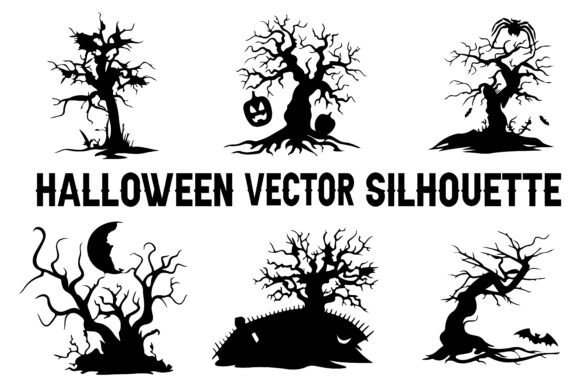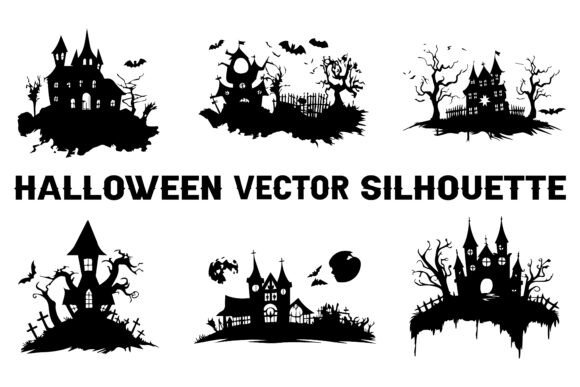
Bring Halloween to Life with Spooky Vector Elements
There's a certain magic in the air when autumn rolls around, especially for designers and creators gearing up for the Halloween season. The challenge isn't just finding spooky imagery—it's finding assets that are versatile, high-quality, and ready to adapt to dozens of different projects. That's exactly where a well-curated collection of Witchy & Spooky Vector Elements becomes an indispensable part of your creative toolkit.
Understanding the Visual Character
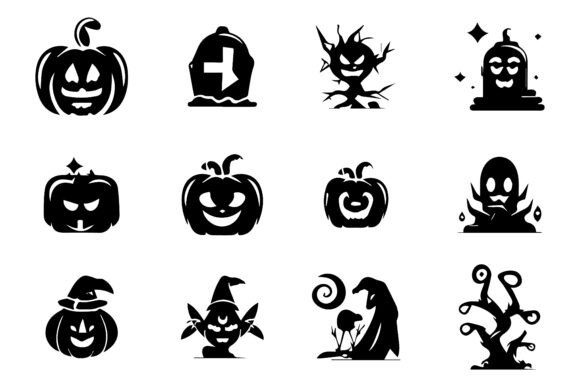
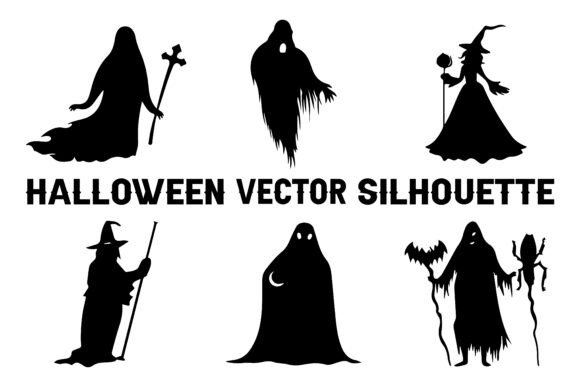
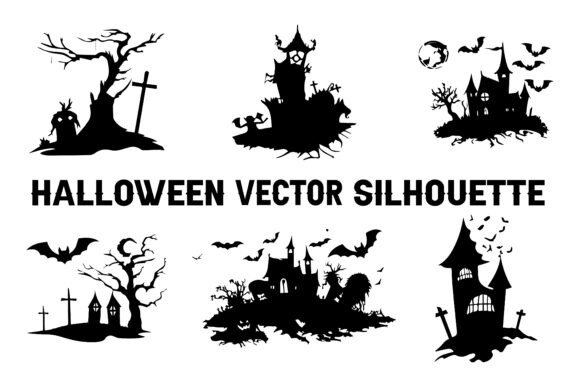
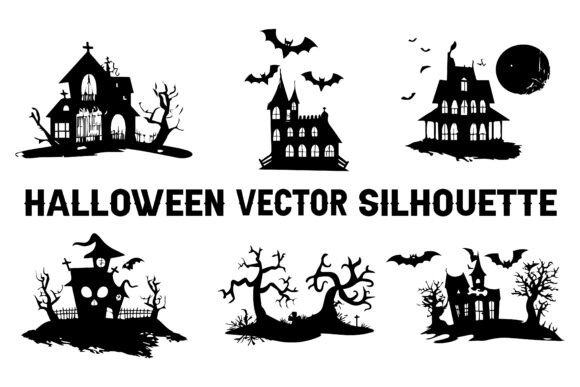
This isn't your typical clipart bundle. Think of these elements as a cohesive visual language built around classic Halloween iconography: cauldrons bubbling with potion, crescent moons, black cats with arched backs, ornate witch hats, spider webs with intricate geometry, and stylized bats in mid-flight. The personality leans into a balance between playful and atmospheric—charming enough for family-friendly party invitations, yet moody enough to anchor the branding of a haunted attraction or a gothic-inspired product line.
What sets Witchy & Spooky Vector Elements apart from raster-based alternatives is the inherent flexibility of vector format. Every curve, every line, every filled shape scales infinitely without pixelation. You can blow a single witch silhouette up to a six-foot banner for a fall festival or shrink it down to a favicon-sized icon without losing a single detail. That scalability makes these assets genuinely practical for professionals who need to work across print, digital, and physical merchandise without constantly reworking artwork.
Where These Elements Shine Across Projects
The file package typically includes EPS, SVG, PNG, and JPG formats, which means you're covered whether you're working in Adobe Illustrator, Affinity Designer, Canva, Cricut Design Space, or even basic presentation software. That multi-format delivery removes the friction of conversion and lets you get straight to the creative work.
For graphic designers, these elements become the backbone of Halloween promotional materials. Posters for local events, flyers for costume shops, and digital ads for seasonal sales all benefit from having ready-made, professionally drawn assets. Instead of spending hours illustrating a single pumpkin motif, you can assemble a compelling composition in a fraction of the time and focus your energy on layout, color strategy, and messaging.
Small business owners and entrepreneurs venturing into Halloween merchandise find enormous value here too. T-shirts, tote bags, mugs, stickers, and enamel pins all require artwork that translates cleanly to different printing methods. Vector elements handle screen printing, sublimation, and DTG processes with ease because the files maintain crisp edges and clean separations at any resolution.
Party planners and event coordinators tap into these design assets for decorations and stationery. Banners, wall art, table centerpieces, invitations, and gift tags come together quickly when you have a library of thematic elements at your fingertips. The consistency across the collection means your entire event aesthetic feels unified rather than cobbled together from mismatched sources.
Practical Guidance for Using These Design Assets Effectively
Before diving into a project, take a moment to evaluate fit. Not every Halloween project calls for the same tone. A children's trick-or-treat event poster might lean on the friendlier, rounder shapes within the collection—think smiling jack-o'-lanterns and cartoonish bats. A moody tarot card-inspired brand identity, on the other hand, might draw on the more detailed, ornamental pieces like intricate mandala-style spider webs or crescent moon frames.
Font pairing matters when you're integrating these elements with typography. If your vector artwork has a hand-drawn, organic quality, pairing it with a script font or handwritten font reinforces that artisanal feel. For cleaner, more geometric vector pieces, a modern sans serif font creates a striking contrast that keeps the overall design feeling contemporary rather than kitschy. The goal is visual harmony between your typeface choices and the illustration style.
Color is another lever worth pulling intentionally. Many designers default to the classic orange-and-black Halloween palette, but these vector elements work beautifully in unexpected color schemes. Deep burgundy and gold evoke a vintage, Victorian gothic mood. Pastel purples and teals give a whimsical, almost fairy-tale quality that appeals to a younger adult audience. Monochromatic black and white treatments feel sophisticated and work exceptionally well for packaging design and editorial design contexts.
For web design and social media graphics, SVG files are your best friend. They load faster than high-resolution raster images, scale perfectly on retina displays, and can be animated with CSS or JavaScript for interactive website elements. Imagine a subtle floating bat animation on a landing page or a slowly spinning cauldron as a loading indicator—these small touches elevate brand identity and keep visitors engaged.
If you're creating educational materials like Halloween-themed activity sheets, storybooks, or classroom worksheets, the PNG files with transparent backgrounds offer drag-and-drop simplicity. Layer them into your layouts in Google Docs, PowerPoint, or any design software without worrying about awkward white boxes around each element.
For video and motion graphics, these vector elements serve as excellent source material. Import the SVG or EPS files into After Effects, animate individual paths, and create custom motion graphics for Halloween-themed YouTube intros, Instagram Reels, or promotional ads. The clean vector paths make path-based animations smooth and professional.
Building a Cohesive Creative Workflow
The real power of investing in a quality set of Witchy & Spooky Vector Elements lies in the workflow efficiency it creates. Rather than hunting for individual assets across multiple sources—each with different styles, quality levels, and licensing terms—you have a single, unified collection that speaks the same visual dialect. That consistency is what separates amateur-looking seasonal projects from polished, professional work that builds audience trust and recognition.
Whether you're a freelance designer juggling multiple client Halloween campaigns, a blogger planning a month of spooky content, or a crafter prepping inventory for a fall market, having reliable, scalable, multi-format design assets on hand transforms the creative process from stressful to genuinely enjoyable. The season is short—spend your time creating, not searching.